
What is normal in a pet (and how to learn YOUR pet's normal)
By Victor Costa, veterinarian (CRMV MG 21605, Brazil) · August 11, 2026 · 8 min
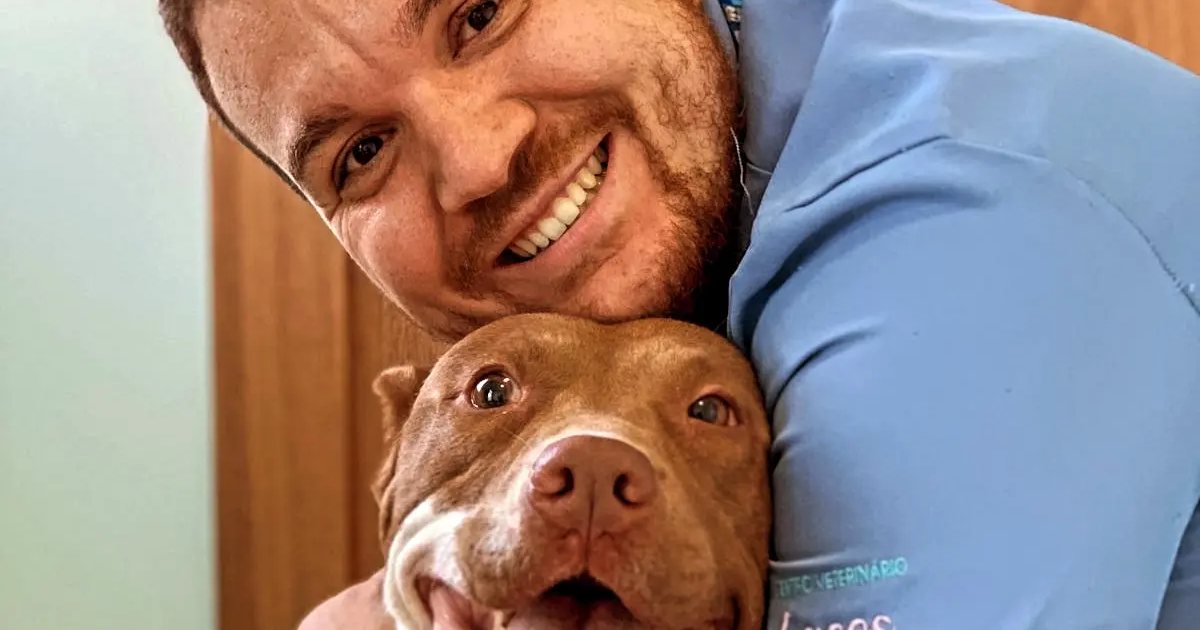
“Doctor, I thought it was normal” is one of the sentences I heard most often at the clinic. Some families arrived with problems that could have been noticed weeks earlier, but they did not know which changes to watch for. We can organize that observation into six points.
Know your pet’s usual habits
There is the species normal: frequencies, temperatures, the patterns manuals such as the Merck Veterinary Manual describe. But what saves lives in practice is another concept: YOUR animal’s baseline. A dog who always ate slowly is not worrying by eating slowly. A devourer who starts picking at food is, even if “picking” would be normal for the neighbor’s dog.
Early disease can appear as small changes in the usual habits of an animal. Whoever knows their own animal’s normal detects the abnormal a day earlier, and one day earlier changes outcome, treatment and bill.
The 6 baseline points
1. Appetite. How much, how fast, how eagerly. A sustained change upward also counts: excessive hunger shows up in common endocrine diseases.
2. Water. Roughly how much per day. Increased thirst is among the earliest signs of kidney disease and diabetes, and slips by because “drinking water is healthy”. Filling the bowl to the same mark helps you notice.
3. Urine. Frequency, volume, color, effort. In male cats, straining without producing is an absolute emergency, not observation.
4. Stool. Consistency, frequency, color. You do not need to become a specialist: you need to know your animal’s pattern to recognize the deviation.
5. Sleep and energy. How much, where, how he wakes. An animal that changes hiding spots, sleeps somewhere unusual or “ages overnight” is communicating something.
6. Behavior and interaction. Plays? Comes when called? Tolerates touch where he always did? New aggression at touch is usually pain, not “attitude”.
How to track without becoming a spreadsheet
To keep a useful record, observe your pet during activities that are already part of your day: the water-bowl mark at coffee time, the glance at the stool during the walk that already happens, the monthly weigh-in on the same scale. Thirty seconds a day, no new app.
Once a week, run the six points at once. That is exactly the first section of the project’s free checklist, made for the fridge door.
When a deviation becomes an appointment
The practical rule I use: one point off baseline for more than 24 to 48 hours, or two points off at the same time, deserve evaluation. Increased thirst alone for three days: appointment. Reduced appetite plus quietness together: appointment, without waiting. And any sign from the emergency list (labored breathing, pale gums, urinary straining) skips the whole ruler, as the Merck emergency guide details.
Formal prevention completes the picture: yearly check-ups (twice-yearly for seniors) and vaccines following the WSAVA guidelines, the world association of small-animal veterinarians.
To understand why thirst, urine, hunger and weight need to be considered together, read the guide to diabetes in dogs and cats. For canine prevention, the distemper guide brings together signs and care to discuss with your veterinary team.
Frequently asked questions
How much water per day is normal?
The usual reference sits around 40 to 60 ml per kilogram per day, varying with heat, wet food and activity. More useful than the number: your animal’s pattern. Sustained change is what matters.
My dog sleeps all day. Is that a problem?
Adult dogs sleep 12 to 14 hours a day, seniors more. The alert is not the amount, it is the change: sleeping beyond his own pattern, or trading interaction for sleep.
Do cats really hide disease?
Yes, it is species behavior. Which is why the baseline matters even more for cats: changes in hiding spots, litter box use and interaction usually precede any “classic” symptom.
Is weighing at home worth it?
Very much. Slow weight loss is invisible to the naked eye of someone who sees the animal daily. A monthly weigh-in catches the trend the eye cannot.
Does a puppy have the same normal as an adult?
No. Puppies eat more often, sleep differently and dehydrate faster. Deviations in puppies shorten every observation window.
The next step
The Prevention and First Aid guides are being prepared. On the ebooks page, you can see the available reading and sign up for guide updates. The free checklist helps you start observing your pet. Materials are in Brazilian Portuguese.
Clinical content reviewed and approved by Victor Costa, veterinarian (CRMV MG 21605, Brazil). Translation of the reviewed Brazilian Portuguese content.
This article is educational and does not replace an appointment with the veterinarian. In an emergency, seek care immediately.
More to explore
Keep learning about pet care
Explore the materials and community. Content is in Brazilian Portuguese.
Explore the ebooks