
Toxic plants for dogs and cats: a photo guide
By Victor Costa, veterinarian (CRMV MG 21605, Brazil) · September 15, 2026 · 13 min
A lily bouquet, a fallen seed or a leaf from a houseplant can become an emergency. This guide shows real photographs of plants poisonous to dogs and cats and explains what to do after a possible exposure.
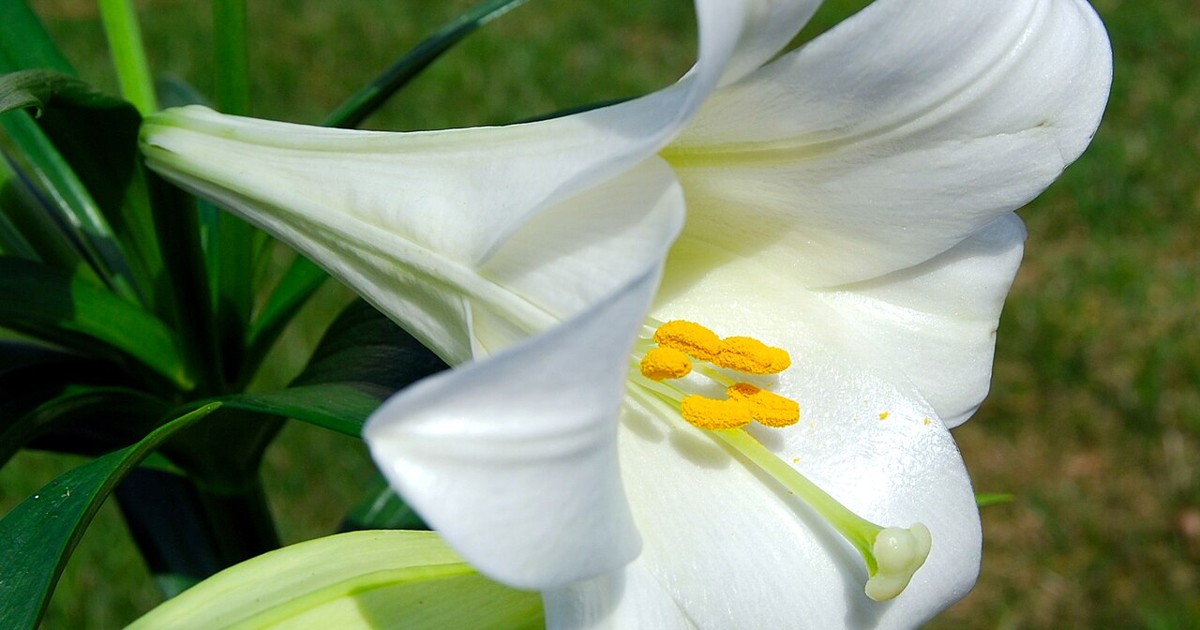
Photo: UpstateNYer, Wikimedia Commons. CC BY-SA 3.0. Original photograph cropped; credit and license in the true lily section.
My pet ate a plant: what should I do now?
Move your pet away from the plant and contact a veterinarian. Do not wait for symptoms before seeking advice. If there is trouble breathing, a seizure, collapse or significant bleeding, arrange emergency transport while someone alerts the veterinary team.
When safe, photograph the whole plant, leaves, flowers, fruit and label. Note the time, the part possibly eaten and the approximate amount. Do not delay leaving to obtain a perfect identification. ASPCA recommends gathering evidence and seeking help even if the animal still looks normal.
Do not induce vomiting or give milk, oil, salt, hydrogen peroxide, activated charcoal or medication on your own. The appropriate response depends on the substance and the animal’s condition. Our guide to the first hours of a pet emergency helps you organize care and transport.
How to find a plant in this guide
The photographs below show real specimens, identified and credited in each caption. This guide expands material supplied to Criando Elos, separates plants that were grouped together and adds daylily. It is a synthesis of references, not a report of our own testing or clinical cases.
A photograph helps, but cannot confirm a plant’s identity or safety. Common names vary by region. The MSD Veterinary Manual emphasizes scientific identification: plants called “lilies,” for example, can have different toxic effects. Select a name to jump to its photograph and precautions.
- Amaryllis
- Iris
- Daffodil
- Tulip
- Azalea
- Rhododendron
- Aloe vera
- Poinsettia
- Yellow oleander
- Sago palm
- Dieffenbachia or dumb cane
- Calla lily
- Monstera or Swiss cheese plant
- Philodendron
- Elephant ear
- Foxglove
- Snake plant
- Oleander
- True lily
- Daylily
- Cannabis
- Castor bean plant
- Black nightshade
- Rosary pea
- Physic nut
- Apple tree: watch the seeds
- Peach tree: watch the pit
- Tobacco
- Angel’s trumpet
Real photographs of toxic plants and their main risks
The signs described can overlap with other illnesses. They are not a way to diagnose poisoning at home or calculate a safe amount. Each photograph represents the stated specimen; cultivars and young plants may look different.
Amaryllis
Hippeastrum spp.
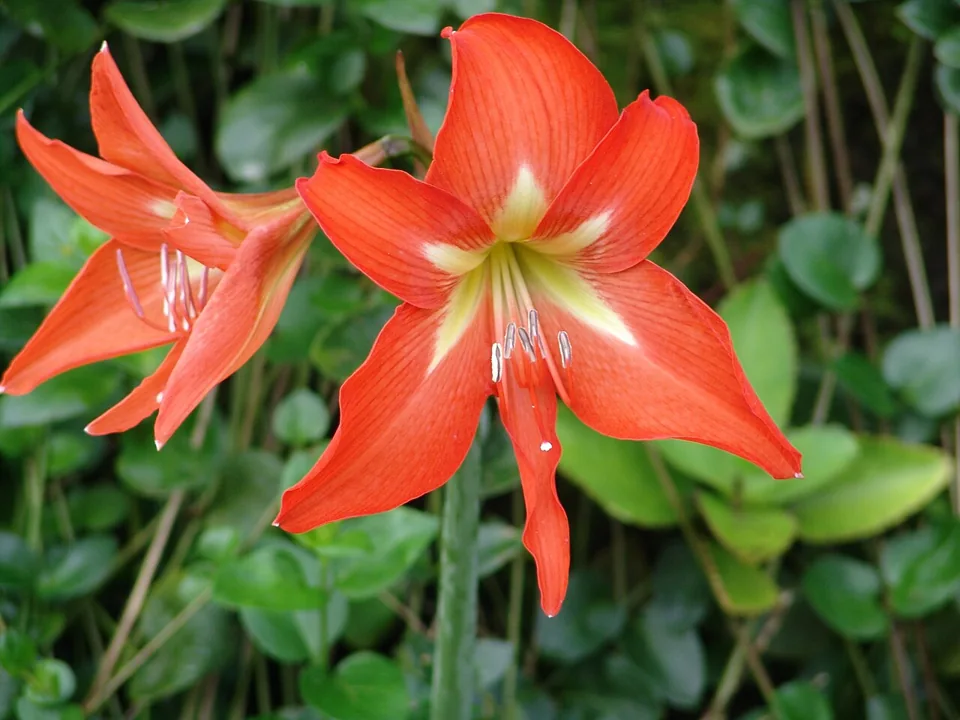

Large, trumpet-shaped flowers. Eating the plant can cause vomiting, diarrhea, abdominal pain and drooling; pay particular attention to the bulb. The photograph shows Hippeastrum, often sold as amaryllis. Keep stored or newly planted bulbs away from dogs that dig. Reference.
Iris
Iris spp.
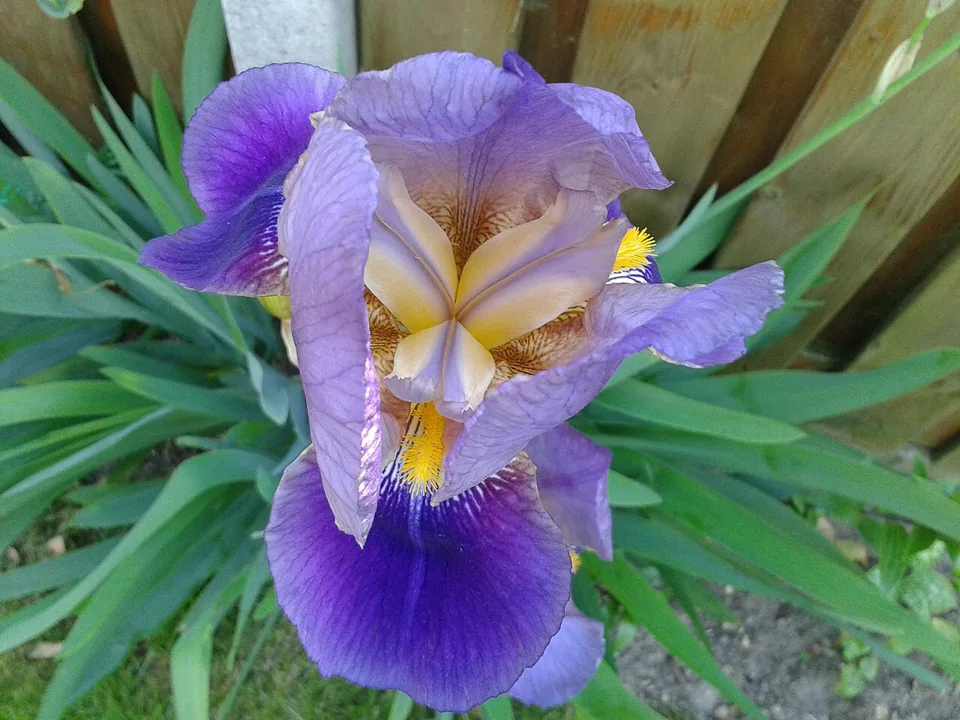

The photograph shows a bearded iris. Exposure can cause drooling, vomiting, diarrhea and lethargy. Toxic compounds are most concentrated in the rhizome, a thick stem at or beneath the soil. This is not an ordinary root or a safe chew. Reference.
Daffodil
Narcissus spp.
.jpg)
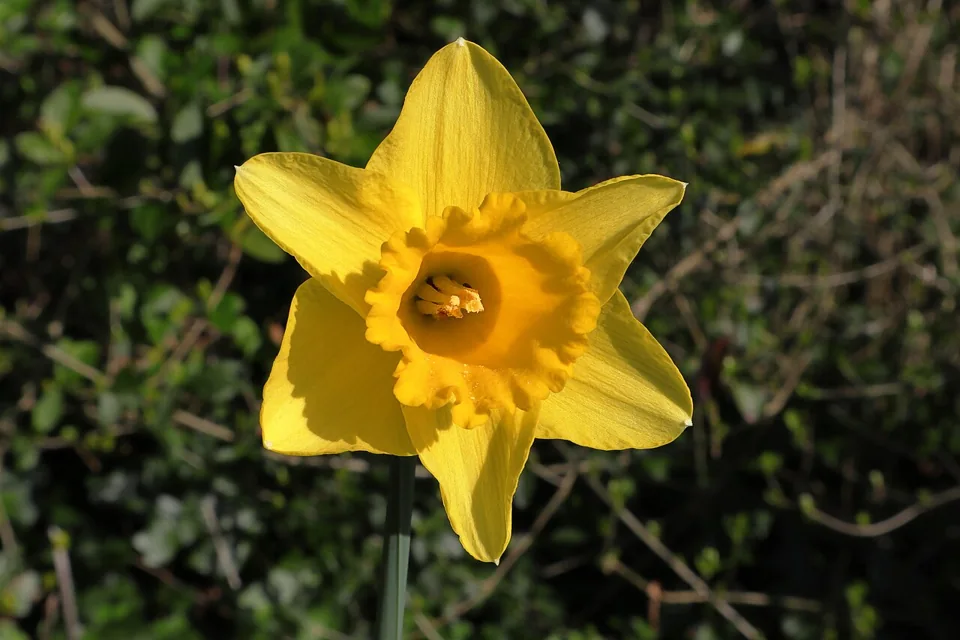
Look for the small trumpet at the center of the flower. Ingestion causes digestive signs, especially when the bulb is involved. Larger exposures can cause tremors, seizures, low blood pressure and abnormal heart rhythms. Tell the team if your pet dug up the plant or found stored bulbs. Reference.
Tulip
Tulipa spp.
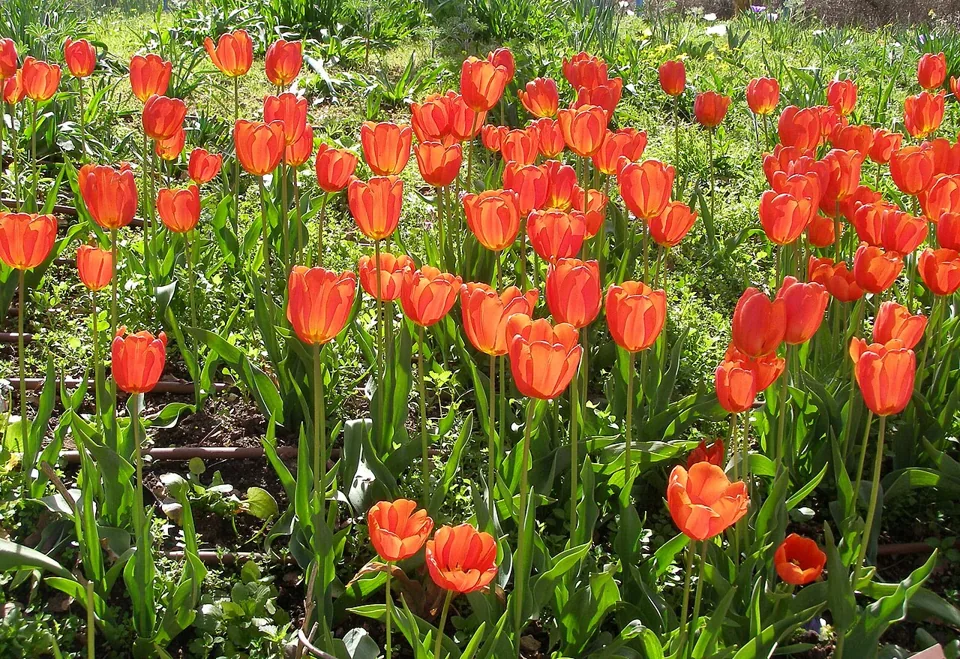

Cup-shaped flowers appear in gardens and arrangements. Ingestion can cause vomiting, diarrhea, drooling and reduced activity. The bulb holds a higher concentration of toxins, but leaves and flowers are not suitable food either. Keep planting debris out of reach. Reference.
Azalea
Rhododendron spp.
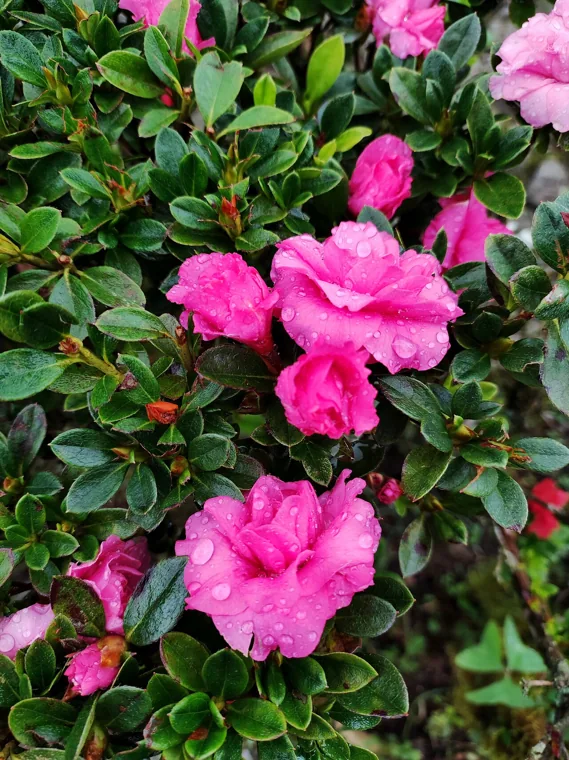

Azaleas belong to the Rhododendron genus. Leaves and flowers must not be eaten. Vomiting, diarrhea and weakness can occur alongside serious cardiac effects. Do not wait for every sign before seeking care; the photograph shows a Rhododendron simsii specimen. Reference.
Rhododendron
Rhododendron spp.
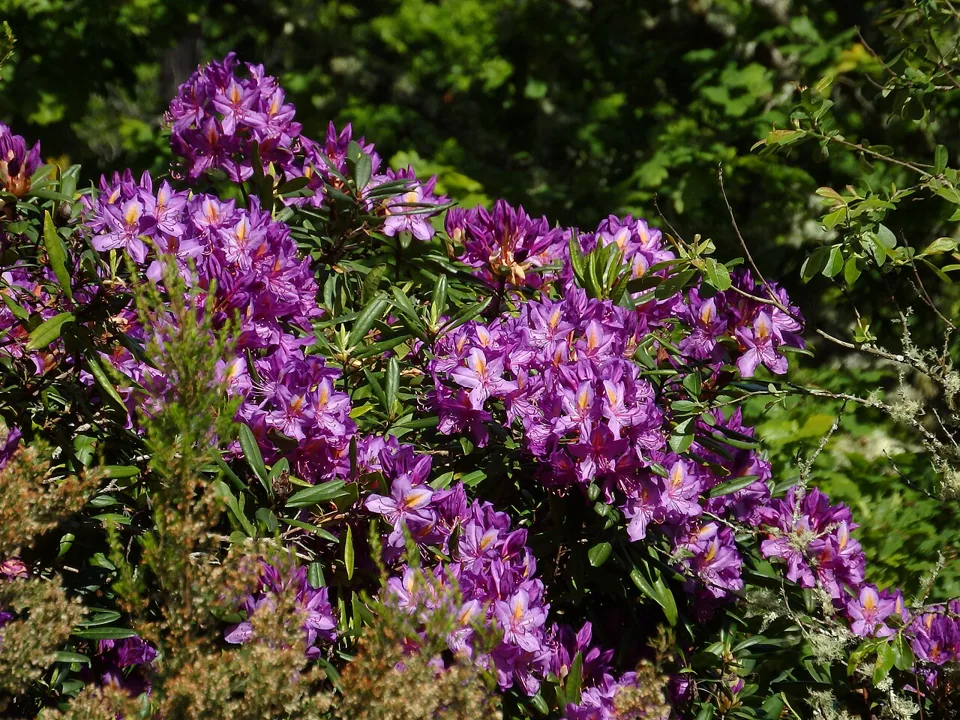

The photograph shows Rhododendron ponticum. Like azaleas, it contains grayanotoxins. Drooling, vomiting, weakness and collapse can occur. Even a small quantity of leaves may be concerning; the size of the shrub does not tell you how serious an exposure is. Reference.
Aloe vera
Aloe vera
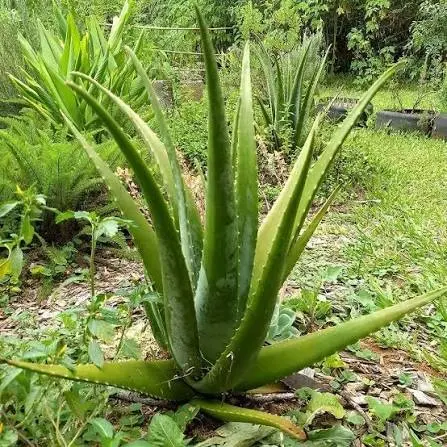
Fleshy leaves have toothed edges. Leaf latex contains substances that can cause vomiting, diarrhea and lethargy. Do not confuse it with processed inner gel used in some products. Cosmetic use does not make a whole leaf safe for a pet to chew. Reference.
Poinsettia
Euphorbia pulcherrima


The showy red parts are bracts, modified leaves around small flowers. Sap irritates the mouth and stomach and may cause vomiting. Its toxicity is generally overstated: it should not be equated with the risk that true lilies pose to cats. Reference.
Yellow oleander
Cascabela thevetia
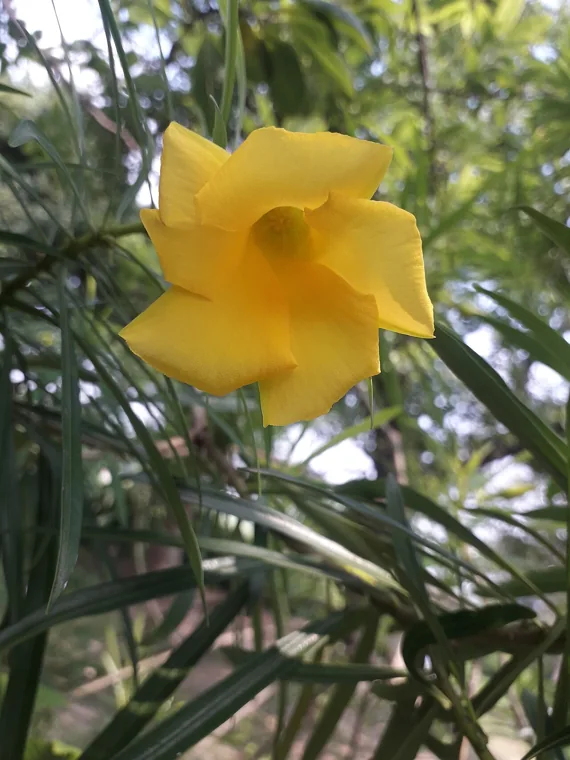

Also known as Thevetia peruviana, this plant has yellow funnel-shaped flowers. All parts are poisonous when eaten, including fruits and seeds. Seek veterinary care after suspected ingestion. Regional common names can refer to different plants, so keep the label or photograph. Reference.
Sago palm
Cycas revoluta
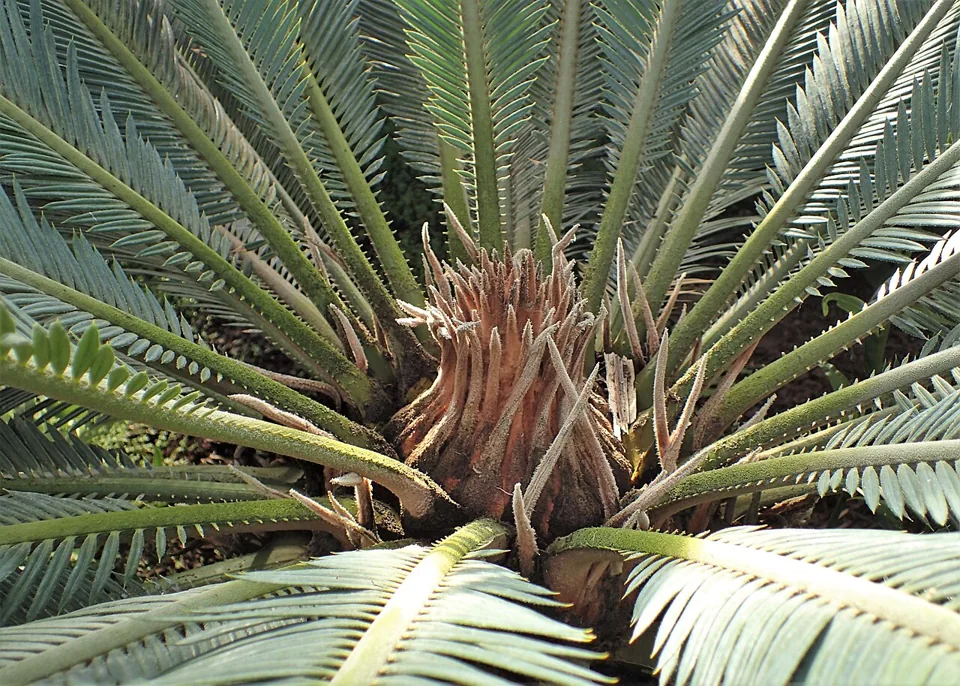

It resembles a small palm but is a cycad. The whole plant is toxic, with particular concern for the seeds. Vomiting, blood in the stool, bleeding and severe liver damage may follow. Suspected ingestion is an emergency even when the animal still looks well. Reference.
Dieffenbachia or dumb cane
Dieffenbachia spp.
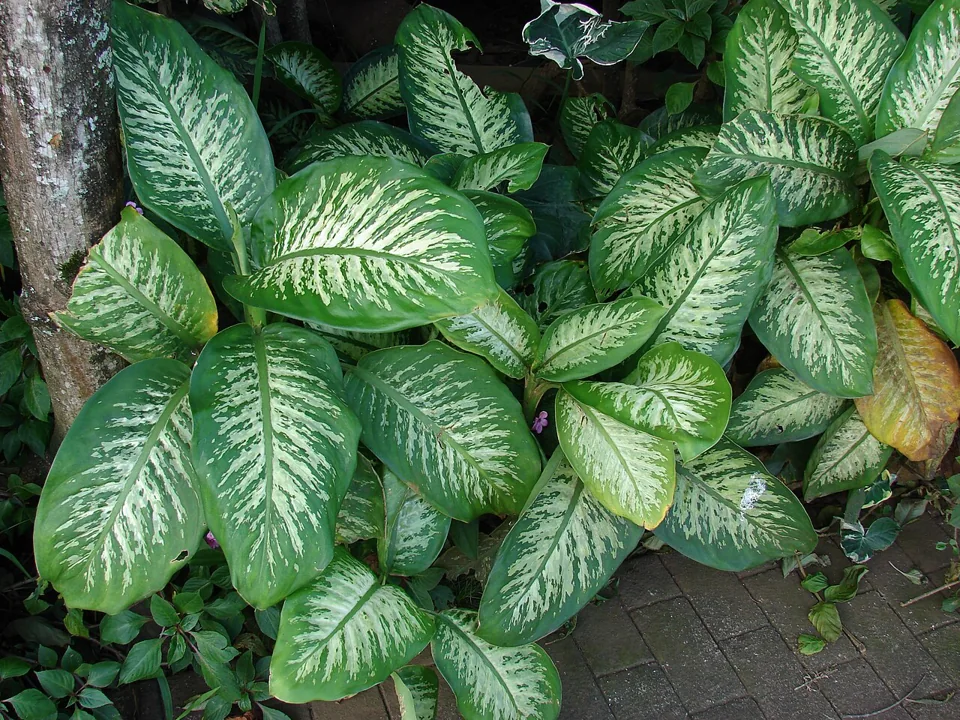

Broad leaves often carry pale markings. Chewing releases oxalate crystals that cause mouth pain and irritation, drooling, vomiting and difficulty swallowing. Do not force open the mouth of an animal in pain. Breathing difficulty requires emergency care. Reference.
Calla lily
Zantedeschia aethiopica
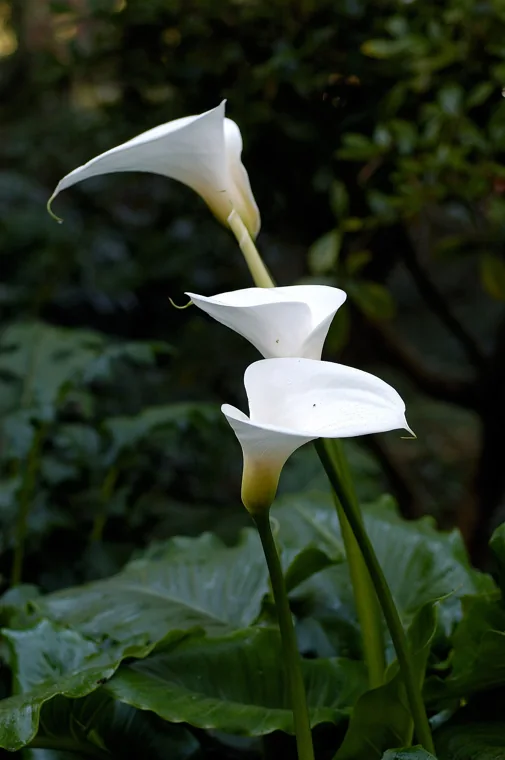

A white spathe surrounds a yellow spike. Insoluble oxalate crystals irritate the mouth and can cause drooling, vomiting and difficulty swallowing. Despite its common name, calla lily is not a member of Lilium and has a different mechanism of toxicity. Reference.
Monstera or Swiss cheese plant
Monstera deliciosa
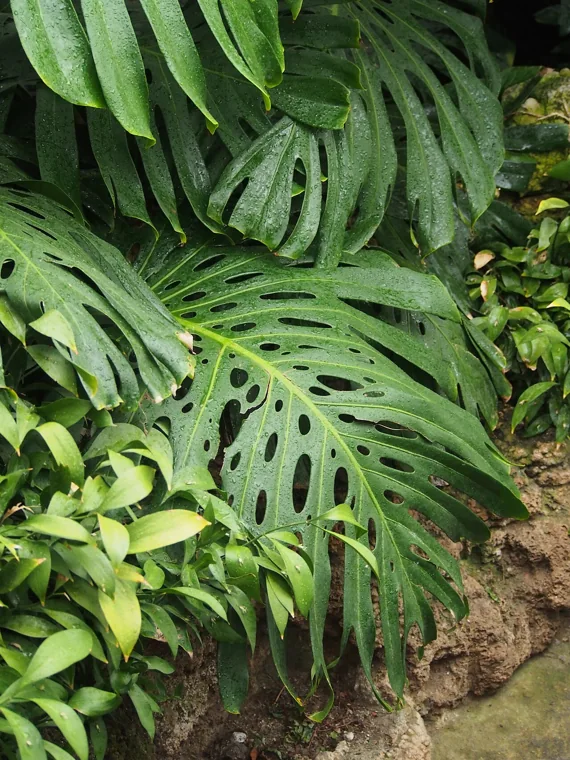

Mature leaves have splits and openings. Chewing can cause burning in the mouth, drooling, vomiting and difficulty swallowing because of insoluble oxalates. Young leaves may look different from mature ones; a leaf without holes does not establish a different species. Reference.
Philodendron
Philodendron spp.
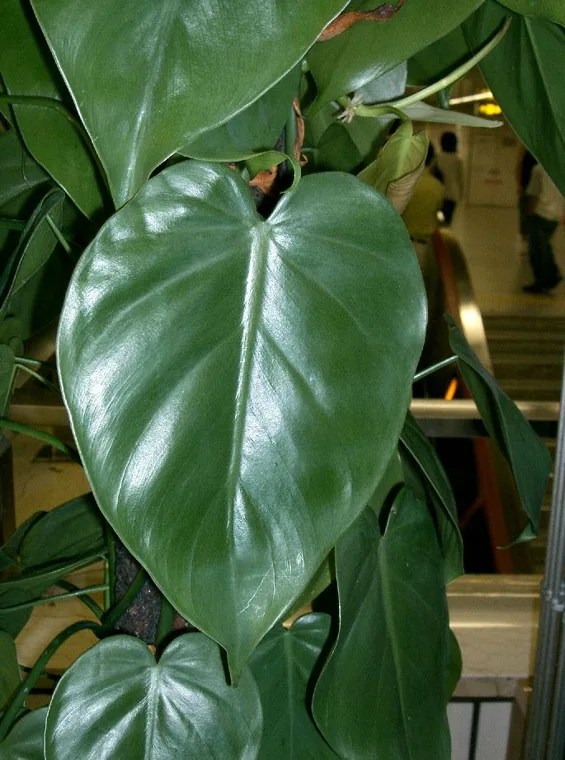

This genus includes many shapes; the photograph shows heartleaf philodendron. Insoluble oxalates can cause pain, swelling and drooling after chewing. Do not identify every philodendron solely by this leaf shape. Keep the scientific name provided when you buy the plant. Reference.
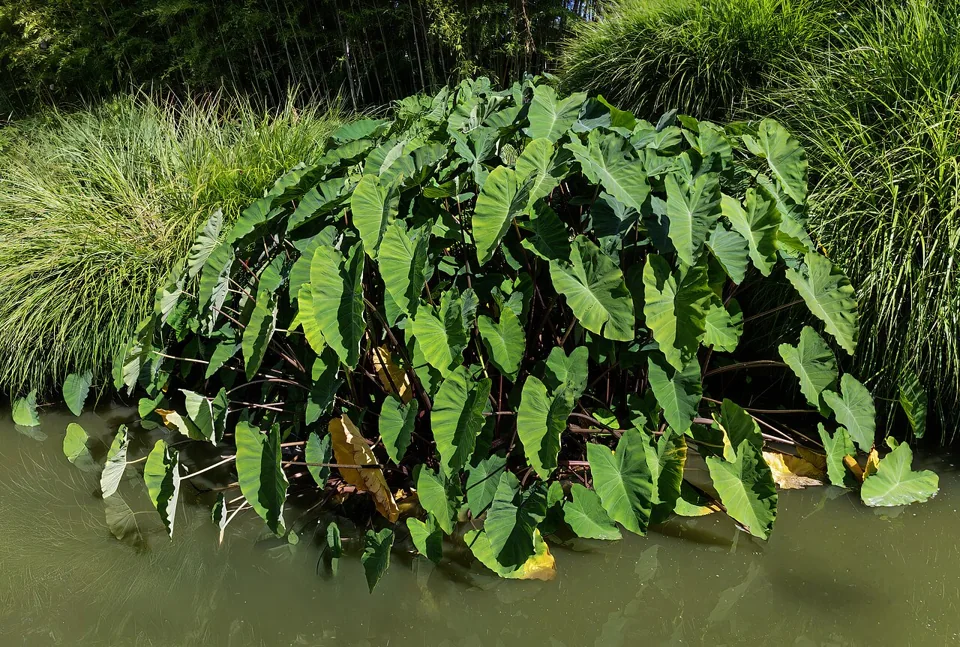
Elephant ear
Colocasia esculenta
_Colocasia_esculenta_-_Les_Martels,_Giroussens_Tarn.jpg)
This common name covers Colocasia, Alocasia and other plants. The photograph shows large-leaved Colocasia esculenta. Raw plant tissue contains insoluble oxalates that can cause mouth pain and swelling, drooling and difficulty swallowing. Confirm the species in your own pot. Reference.
Foxglove
Digitalis purpurea
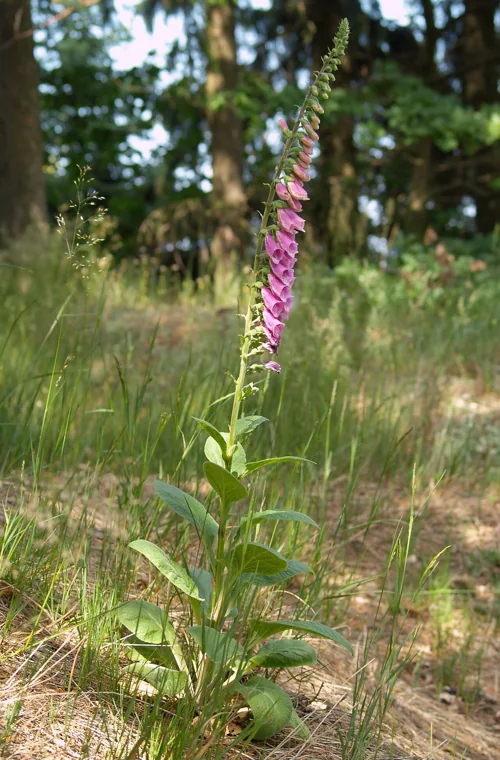

Hanging flowers line a tall stalk. Cardiac glycosides can cause vomiting, diarrhea, weakness and potentially fatal arrhythmias. Suspected ingestion needs urgent veterinary care. The medical use of related substances does not make the plant safe. Reference.
Snake plant
Dracaena trifasciata
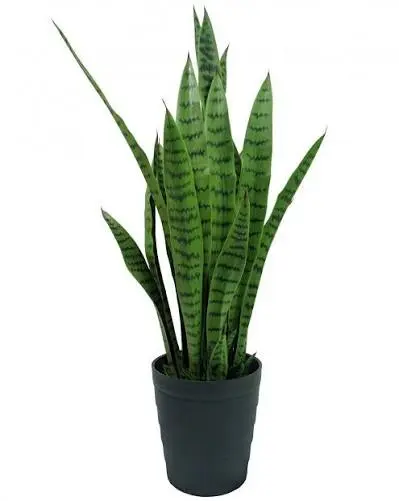
Also listed as Sansevieria trifasciata. It has stiff, elongated leaves with markings that vary by cultivar. Saponins are mainly associated with nausea, vomiting and diarrhea. Do not automatically assign it the same irritant mechanism as dieffenbachia. Reference.
Oleander
Nerium oleander
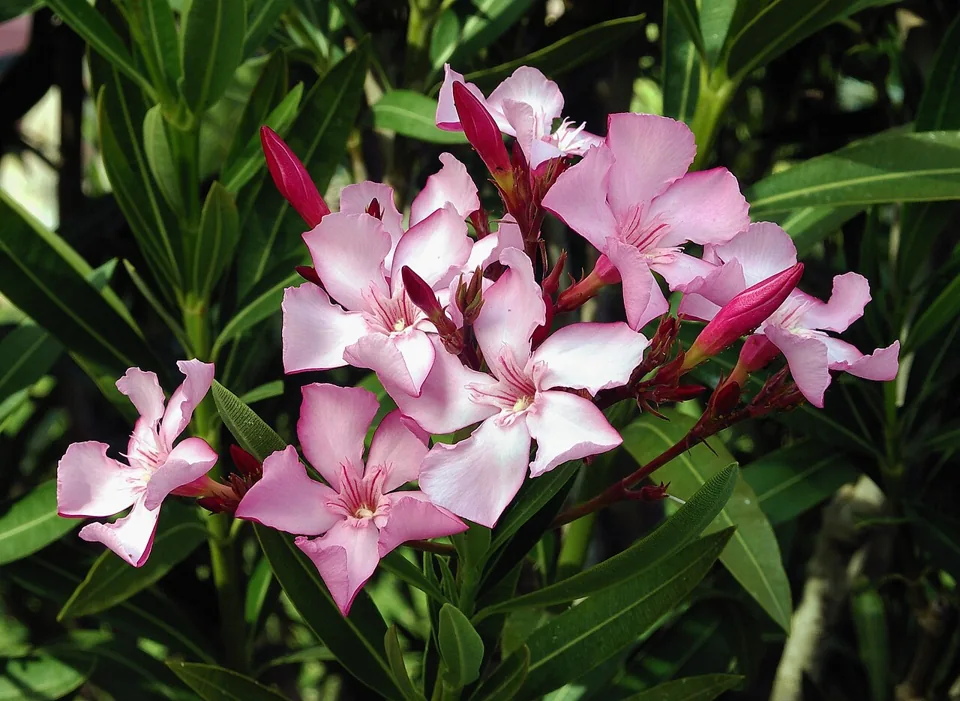

A shrub with narrow leaves and flowers in pink, white or other colors. Ingestion can affect the heart and cause digestive signs and weakness. Dried leaves and prunings remain hazardous. Do not wait for a noticeable pulse change before seeking veterinary care. Reference.
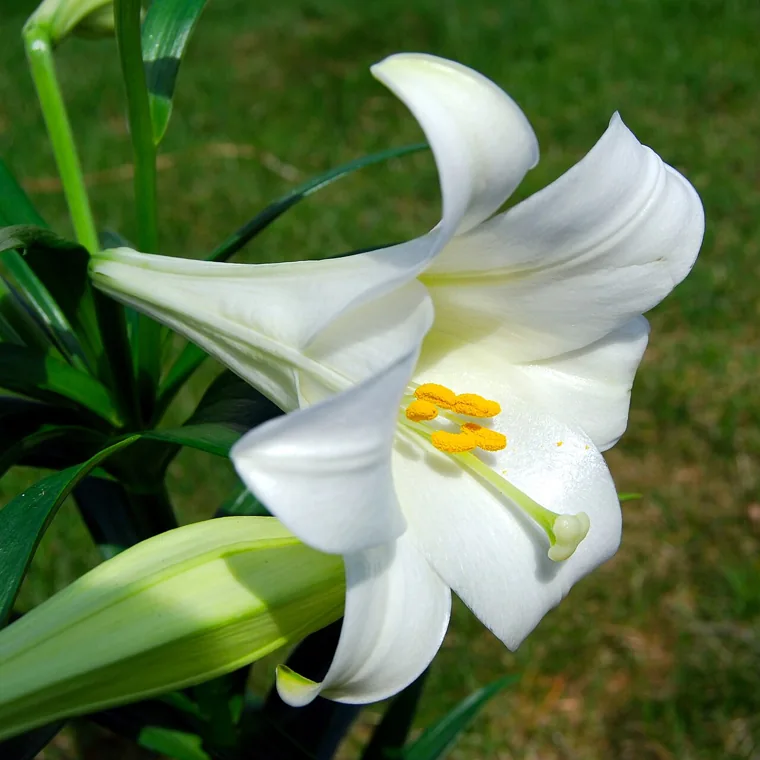
True lily
Lilium spp.
.JPG)
The photograph shows Lilium longiflorum. In cats, small exposures to leaves, petals, pollen or vase water can cause fatal kidney injury. Seek emergency care immediately, even without vomiting or lethargy. An elevated bouquet can still shed accessible pollen and plant fragments. Reference.
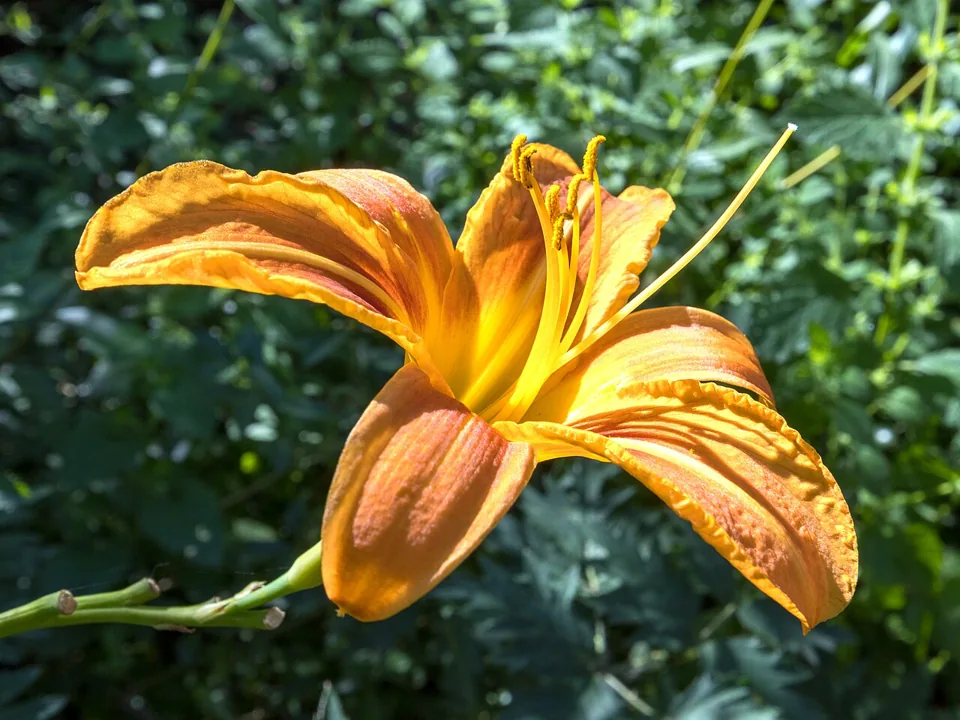
Daylily
Hemerocallis spp.
_en_juin.jpg)
Included to complement the lily in the original material. The photograph shows Hemerocallis fulva. Daylilies can also cause kidney failure in cats and require immediate care after suspected exposure. Flower color or flowering duration cannot establish whether a lily is safe. Reference.
Cannabis
Cannabis sativa
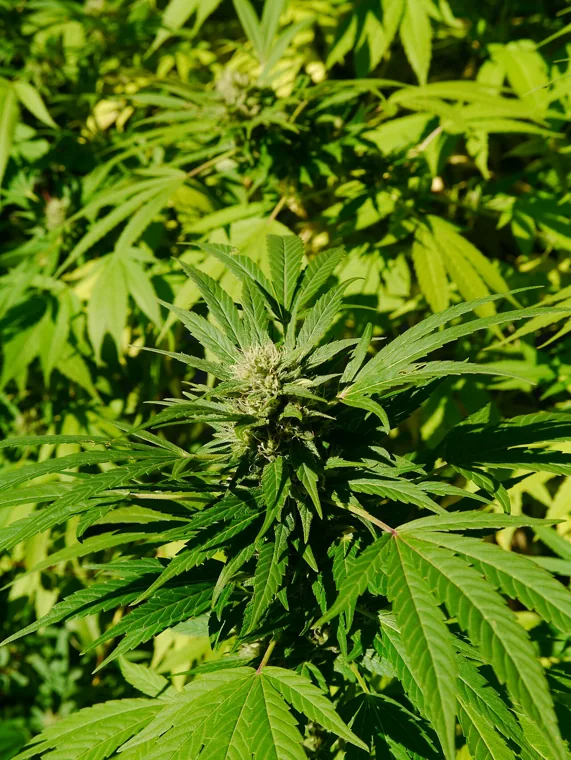

THC can cause sleepiness, poor coordination, behavioral changes, low blood pressure and, in severe cases, seizures or coma. Tell the veterinarian about edibles and concentrates too. Report exactly what was accessible; that information helps the team choose appropriate care. Reference.
Castor bean plant
Ricinus communis
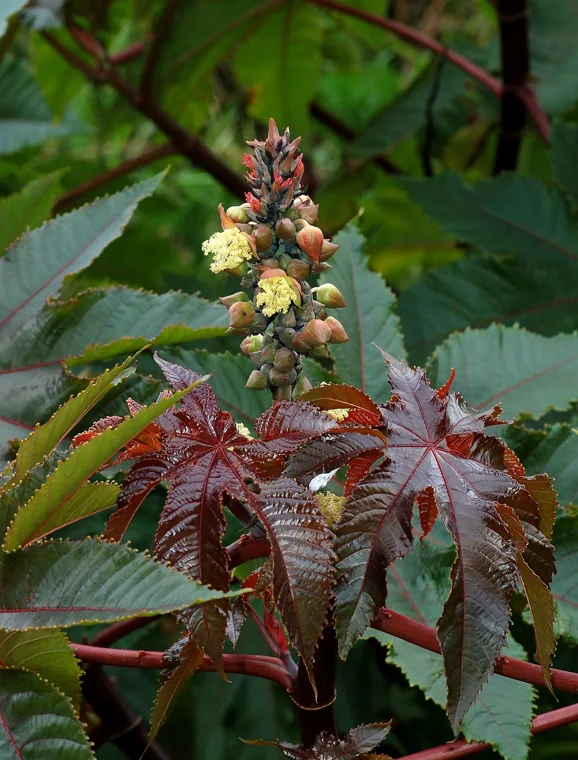

Large lobed leaves accompany fruits containing seeds. Ricin is especially concerning in chewed seeds. Vomiting, abdominal pain, bloody diarrhea and severe illness can occur. Prevent access to loose seeds as well; do not wait for symptoms before seeking help. Reference.
Black nightshade
Solanum nigrum and related species
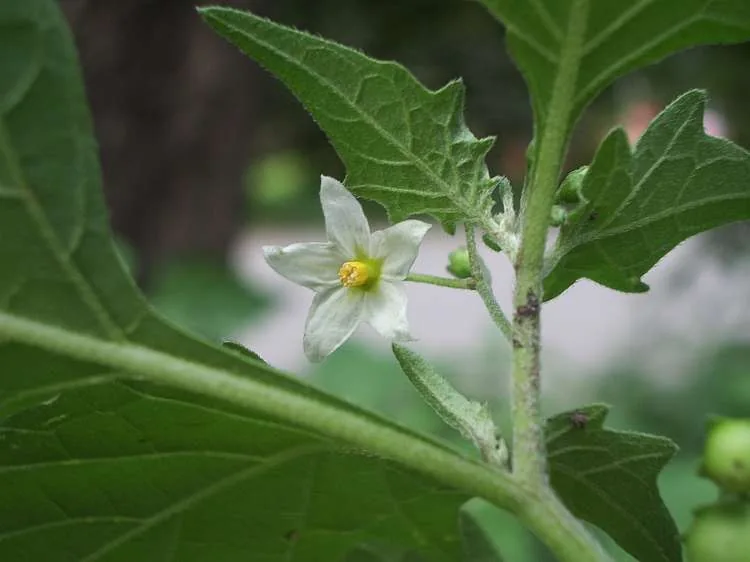

The common name can cover related species, including Solanum americanum. The photograph shows Solanum nigrum. This group can cause drooling, digestive upset, weakness and neurological changes. Do not feed leaves or berries to pets or judge a berry’s safety by its color alone. Reference.
Rosary pea
Abrus precatorius
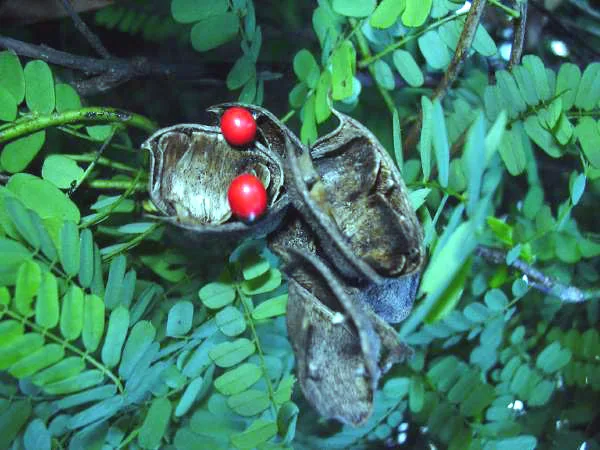

The photograph shows open pods and red seeds with a dark area. Brazilian common names can be ambiguous; this entry refers to Abrus precatorius. Chewed or damaged seeds can release abrin and cause severe vomiting and diarrhea, sometimes bloody. Consider craft or jewelry seeds when checking exposure. Reference.
Physic nut
Jatropha curcas
.jpg)
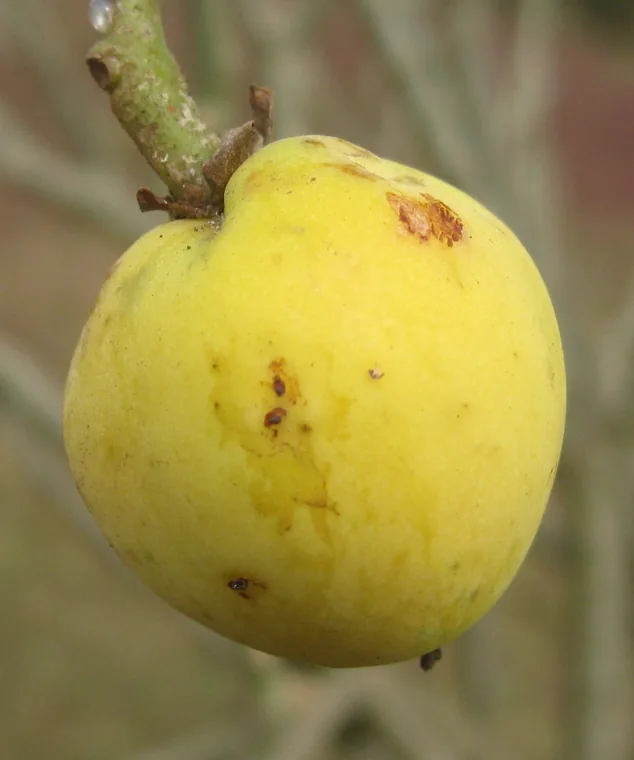
The photograph shows a Jatropha curcas fruit; common names vary. Brazil’s CIT/RS lists this species among plants whose toxic seeds can cause severe digestive poisoning. This is general toxicology guidance, not a safe dose for dogs or cats. Prevent seed ingestion and never use it as a home purgative. Reference.
Apple tree: watch the seeds
Malus domestica
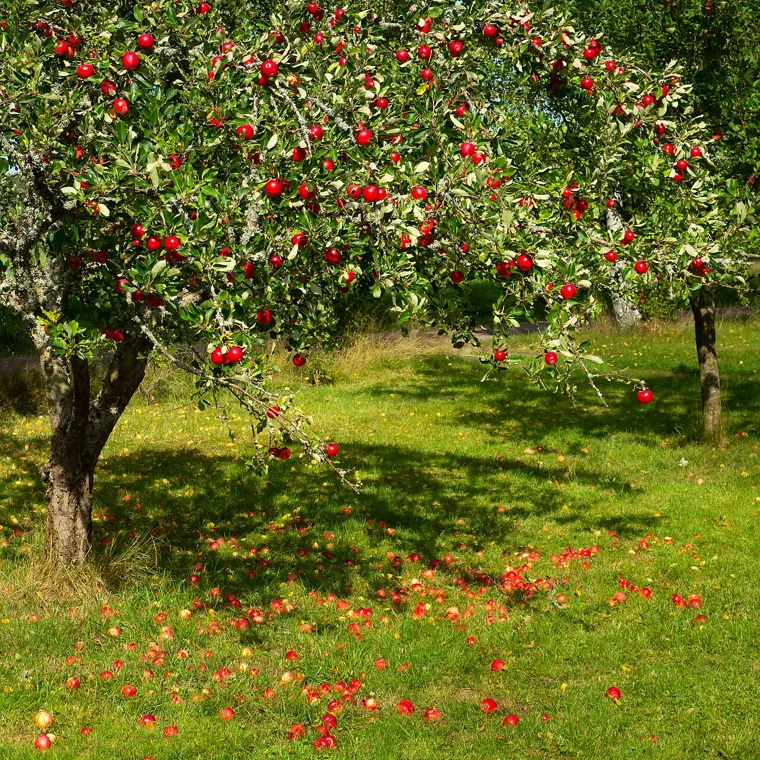

The photograph shows a fruiting apple tree. The warning concerns seeds and other plant parts; apple flesh does not carry the same risk. Chewed seeds release cyanogenic compounds. Remove seeds and the core before any fruit serving agreed with your veterinarian. Reference.
Peach tree: watch the pit
Prunus persica
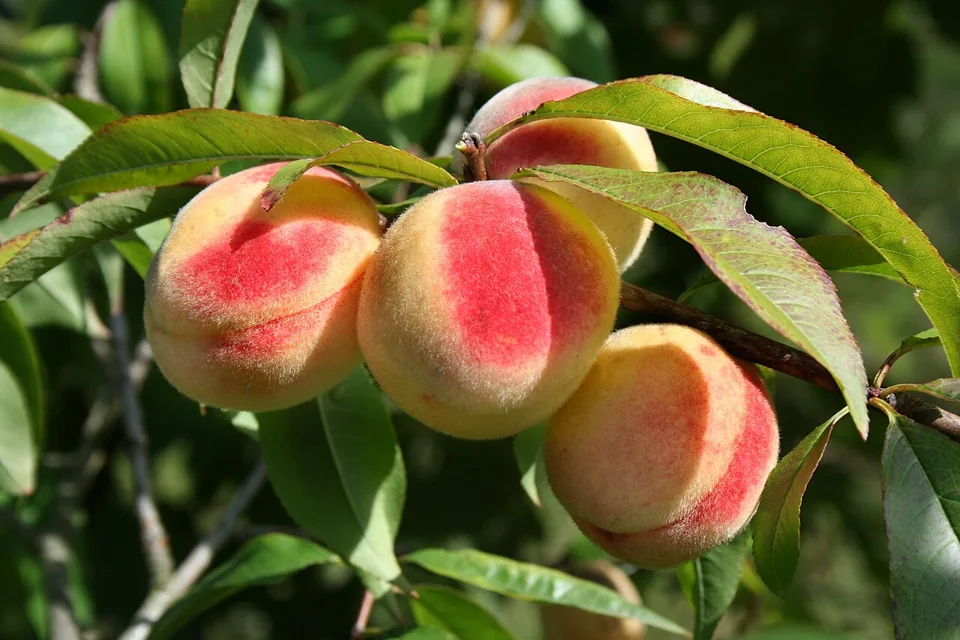

The pit surrounds a seed containing cyanogenic compounds. Chewing the pit can expose the seed; swallowing it also poses choking or obstruction risks. Leaves and stems should not be eaten. Tell the veterinarian whether the pit was broken, swallowed whole or is missing. Reference.
Tobacco
Nicotiana tabacum
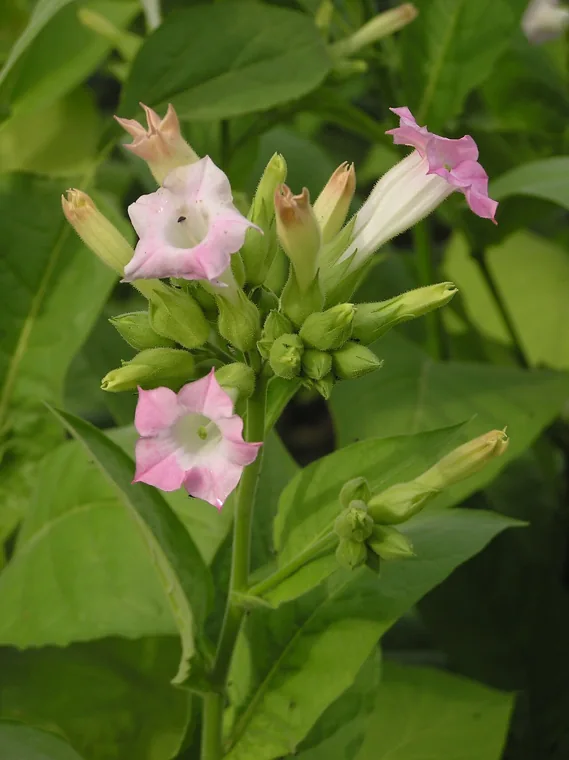

The photograph shows the plant; cigarettes, butts and other nicotine products matter too. Ingestion can quickly cause vomiting, agitation, tremors and cardiac or breathing abnormalities. Vape liquids and nicotine pouches can cause poisoning even without containing tobacco leaves. Reference.
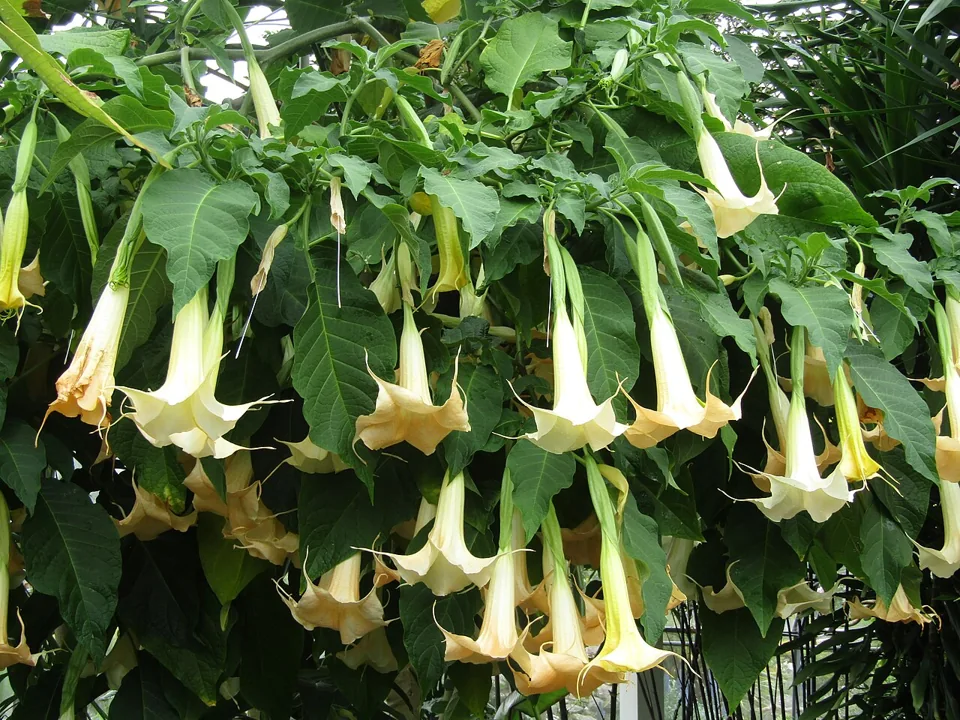
Angel’s trumpet
Brugmansia spp.
.JPG)
Large hanging flowers resemble trumpets. Plant parts are poisonous and contain alkaloids such as atropine and scopolamine. Accurate identification matters because Datura shares similar common names. Suspected ingestion needs veterinary care; do not make teas or use the plant as a remedy. Reference.
Why lilies in cats and sago palms need immediate attention
The risks are different. Lilium and Hemerocallis can cause kidney failure in cats, while sago palms can severely damage the liver. Plants such as calla lily and philodendron usually cause oral irritation from insoluble crystals. The amount of drool or vomiting cannot tell you which exposure is more serious.
FDA warns that even pollen and lily vase water can poison cats. Homes with cats should therefore remain free of these lilies, rather than relying on a high shelf. If your cat brushed against a bouquet and may have groomed afterward, report that to the veterinarian even if you never saw a bite.
Pet Poison Helpline also warns about dried plant parts and water in contact with oleander. Clearing fallen leaves and prunings is part of prevention. There is no universal period for “watching at home”: the onset of signs depends on the plant, amount and animal.
How to reduce the risk at home
Make an inventory of houseplants, garden plants and incoming bouquets. Save a photograph with each plant’s label. If you do not know the species, prevent access until you obtain a reliable identification. Apps can suggest names, but should not determine exposure risk on their own.
For example, someone brings a bouquet as a gift. Check its species before putting it in the living room, remove packaging and prevent access to vase water. If you have a cat and the arrangement contains Lilium or Hemerocallis, keep it out of the home. Share this rule with visitors and caregivers.
Keep the emergency number and carrier easy to find. The pet first aid kit guide covers supportive supplies; it does not make charcoal, a syringe or a home remedy a poisoning treatment. The interactive checklist at the end is for a calm review of prevention measures.
Frequently asked questions about plants poisonous to pets
Which plant can kill a cat even in a small amount?
Lilies in the Lilium and Hemerocallis genera are high-risk examples. A suspected exposure warrants immediate veterinary care. Do not wait to confirm the amount or see changes in urination.
Is snake plant toxic to dogs and cats?
Yes. ASPCA associates it with nausea, vomiting and diarrhea. Its toxic effects differ from the oxalate crystal irritation caused by dieffenbachia. Give the correct species when seeking advice.
My dog ate a plant but looks normal. Can I wait?
Contact a veterinarian now. Some poisonings take time to show signs. Advice depends on the plant and exposure, not just how your dog looks at that moment.
Does giving milk or making a pet vomit help?
Do not do this on your own. There is no universal home antidote for toxic plants. The veterinary team must assess what was eaten and whether any procedure is appropriate.
Is a photo or common name enough to identify a plant?
No. Provide photographs of several plant parts and a scientific-name label if available. Names such as “elephant ear,” “lily” and regional names for decorative seeds can cause confusion.
Is a plant safe if it is missing from this list?
Not necessarily. This list covers the supplied reference material and an additional lily warning; it is not a complete inventory of every toxic species. Check each plant before allowing access.
Use the checklist below to organize your home and save the PDF for caregivers. If exposure has already happened, the next step is to contact your veterinarian.
Have you checked the plants around your home?
Use this at a calm moment to prevent accidents. Do not wait to complete it if your pet has had contact with a suspect plant.
See what I have checked
No items selected. Start by identifying plants and saving your veterinarian’s number.
Your selections stay on this page and are not sent with the form.The count does not certify a safe home. Plants missing from this list may also be toxic. After an exposure, seek advice without waiting for symptoms.
Save the checklist and exposure plan
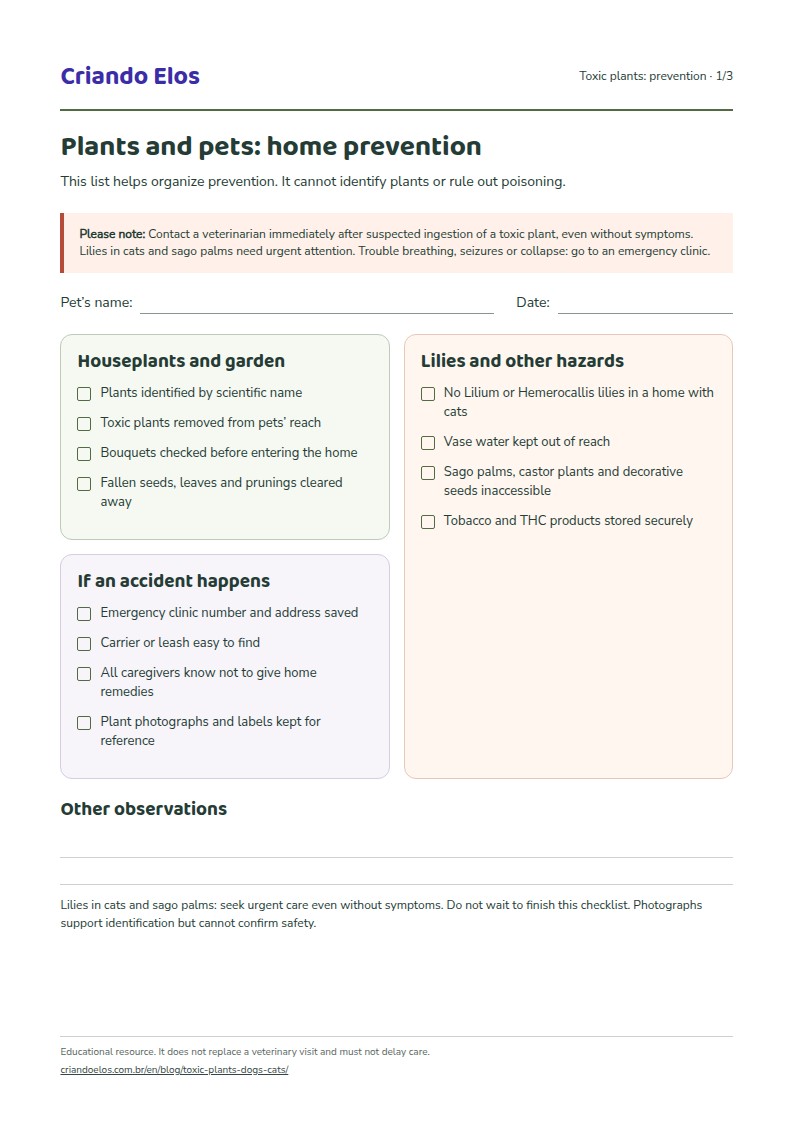
Download the checklist image or the full three-page PDF to print and fill in by hand.
- Home prevention checklist
- Plant inventory and access risks
- Exposure notes and veterinary contacts
Save the resource for later
Enter your details to access the files on this page. The interactive checklist above needs no registration.
We could not send your details. Please try again.
This article is educational and does not replace an appointment with the veterinarian. In an emergency, seek care immediately.